


close

Credit

Credit

Credit checking new customers: what UK businesses should look for before offering payment terms

Offering payment terms can help you win new customers, build stronger relationships and make larger sales feel easier for buyers to commit to. But it also means you are lending your customer money in practice, even if you do not describe it that way.

Before you allow a new customer to pay 30, 60 or 90 days after receiving your goods or services, you need to know whether they are likely to pay on time. UK businesses are already under pressure from late payments, with government research showing that over 1.5 million businesses are affected each year and an estimated £26 billion is owed in late payments at any given time.

That is why credit checking should not be treated as admin. It is a basic part of protecting your cash flow. If your team is already stretched, using outsourced credit control services can also help you keep payment checks, reminders and follow-ups consistent from the start.

A good credit check will not guarantee payment, but it can help you spot risks before they become expensive. It can also help you set sensible credit limits, agree suitable payment terms and avoid giving too much trust to a customer you barely know.

Why credit checking matters before offering payment terms

When you offer payment terms, you give the customer time to pay after the work is complete, the goods have been delivered or the invoice has been issued. That may be normal in business-to-business trading, but it still carries risk.

The problem is that one unpaid invoice can quickly create a chain reaction. You may still need to pay staff, VAT, suppliers, rent, software costs, fuel, insurance and finance agreements. If a customer owes you £5,000, £15,000 or £50,000 and does not pay on time, the pressure falls on your business first.

Late payment is not just an inconvenience. UK government research published in 2025 estimated that late payments cost the UK economy almost £11 billion per year, with around 14,000 businesses closing each year because of late payment.

Credit checking helps you reduce that risk before the first invoice is raised.

Check the customer is who they say they are

Start with basic identity checks. This sounds obvious, but many payment problems begin because the supplier did not confirm exactly who they were trading with.

You should check:

  • The registered company name
  • The company registration number
  • The trading name, if different
  • The registered office address
  • The trading address
  • The names of directors or key contacts
  • The VAT number, where relevant
  • The correct billing email and accounts contact

For limited companies, you can cross-check details through Companies House. Make sure the company name on the purchase order, contract and invoice matches the legal entity you are actually dealing with. If the customer uses a group company, subsidiary or trading style, confirm which legal entity is responsible for payment.

This matters because if the invoice later becomes overdue, you need to know who owes the money. A vague trading name or incorrect company details can make recovery slower and more complicated.

Review the company’s payment behaviour

A customer may look professional, but that does not mean they pay suppliers on time. You should look for signs of how they behave once they receive an invoice.

Useful checks include:

  • Commercial credit reports
  • Payment performance data
  • County Court Judgments
  • Insolvency notices
  • Director history
  • Previous company failures linked to directors
  • Trade references from other suppliers

A company with a low credit score, repeated late payment history or recent legal action may still become a customer, but you should not treat them the same as a long-established business with a clean payment record.

You may decide to ask for upfront payment, a deposit, staged payments or a lower credit limit at first.

Look at financial strength, not just sales potential

It is easy to get excited when a new customer wants a large order. But a big order is only valuable if it is paid for.

Before offering generous terms, look at whether the business appears financially stable. A credit report may show turnover bands, net worth, credit limits, payment trends and financial risk indicators. For larger customers, accounts filed at Companies House may also give you a sense of their balance sheet position.

You do not need to become a financial analyst. You simply need to ask practical questions:

  • Can this customer afford the level of credit they are asking for?
  • Does the order size look normal for their business?
  • Are they asking for longer terms than usual?
  • Are they avoiding questions about payment processes?
  • Are there signs of cash flow pressure?

If a new customer asks for £25,000 worth of goods on 60-day terms, but their credit profile suggests a much lower safe limit, you should pause before approving the account.

Set a sensible credit limit

A credit limit gives you control. It is the maximum amount the customer can owe you before further work, goods or services are paused.

For example, you might allow a new customer a £2,000 limit for the first 3 months. If they pay on time, you can increase the limit gradually. If they pay late, you can reduce the limit, move them to pro forma invoices or ask for payment before further work continues.

Your credit limit should reflect:

  • The customer’s credit score
  • The value of the order
  • Your own cash flow position
  • Your profit margin
  • The cost of replacing the customer if things go wrong
  • The risk level in your sector

A £10,000 unpaid invoice may be manageable for one business but highly damaging for another. The right credit limit depends on your exposure, not just the customer’s expectations.

Agree payment terms in writing

Do not rely on verbal agreements. Before you provide goods or services, make sure your payment terms are written clearly and accepted by the customer.

Your terms should cover:

  • Payment deadline
  • Invoice date and due date
  • Accepted payment methods
  • Late payment interest
  • Recovery costs
  • Dispute process
  • When services or deliveries may be paused

Under the Late Payment of Commercial Debts (Interest) Act 1998, businesses can usually claim statutory interest and fixed recovery costs on qualifying late commercial debts. Taurus Collections also highlights that businesses may be able to recover interest and collection costs they are legally entitled to, rather than only chasing the original invoice value.

Clear terms make it harder for a customer to say they did not understand when payment was due.

Watch for warning signs during onboarding

Credit checking should not stop once the report looks acceptable. Pay attention to how the customer behaves during onboarding.

Be cautious if they:

  • Push for unusually long payment terms
  • Refuse to complete a credit application
  • Use different company names across documents
  • Give vague accounts department details
  • Place a large first order with urgency
  • Ask you to send invoices to a personal email address
  • Delay signing your terms but want work to begin immediately

These signs do not always mean the customer will fail to pay, but they should make you ask more questions.

Use deposits and staged payments for higher-risk customers

If you still want to work with a customer but the credit check raises concerns, you can adjust your terms rather than refusing the work altogether.

Options include:

  • Payment upfront
  • A 50% deposit before work begins
  • Staged payments at agreed milestones
  • Shorter 7 or 14-day terms
  • Lower credit limits
  • Personal guarantees, where appropriate and properly advised

This can help you protect your business while still giving the customer a chance to build trust.

Keep reviewing credit risk after the first order

A customer who pays on time once may not always pay on time. Circumstances change. Their own customers may start paying late, they may lose a major contract, or they may take on too much debt.

Review customer accounts regularly, especially if:

  • Order values increase quickly
  • Invoices start being paid later
  • The customer asks for extended terms
  • They stop responding to accounts emails
  • They raise repeated small disputes near the due date

Good credit control is not just about chasing overdue invoices. It is about spotting patterns early and acting before the balance becomes too large.

Have a clear process when payment becomes overdue

Even with good checks, some customers will still pay late. Your process should be clear from day 1.

A simple overdue process might include:

  • A polite reminder before the due date
  • A same-day follow-up when payment becomes overdue
  • A firmer reminder after 7 days
  • A phone call to confirm the reason for non-payment
  • A final demand letter if the debt remains unpaid
  • Referral to a professional debt recovery agency if the customer still does not respond

The sooner you act, the better. Long delays can make recovery harder, especially if the debtor’s financial position worsens.

Final thoughts

Credit checking new customers is not about being negative or suspicious. It is about running your business properly. If you are offering payment terms, you need to know who you are dealing with, how much credit you can safely offer and what steps you will take if payment does not arrive on time.

A simple check before approving a new account can save you weeks of chasing, protect your cash flow and reduce the risk of unpaid invoices turning into serious debt.

If you need help checking customers, managing payment terms or recovering overdue invoices, Taurus Collections can support you with professional credit control and debt recovery services. Get in touch today to protect your cash flow before late payment becomes a bigger problem.

read more
Credit

How Alternative Credit Data Is Reshaping Fair Lending and Financial Inclusion Worldwide

The global financial system has historically relied on a narrow, centralized framework for evaluating consumer creditworthiness. For decades, traditional credit scoring models have used a rigid formula derived almost exclusively from legacy banking history, such as credit card utilization, outstanding auto loans, and mortgage repayment records. While this infrastructure serves established consumers well, it creates a systemic barrier for billions of individuals globally who lack formal banking relationships.

The consequences of this credit invisibility are economically stifling. Without a traditional credit profile, thin-file consumers, low-income earners, gig-economy workers, and newly arrived immigrants are routinely locked out of affordable mainstream financial products. To bridge this vast economic divide, financial technology institutions, progressive commercial banks, and global regulatory bodies are turning to alternative credit data. This fundamental shift in underwriting methodology leverages non-traditional digital footprint assets to build granular, accurate risk profiles, fundamentally altering fair lending practices and accelerating financial inclusion on a global scale.

Understanding the Architecture of Alternative Credit Data

Alternative credit data refers to any financial or behavioral information used to evaluate an applicant’s creditworthiness that falls outside the repository of traditional credit reporting bureaus. Rather than analyzing past borrowing behavior, alternative underwriting examines a consumer’s daily operational and financial transactions.

Everyday Fiscal Consistency Data

The most immediate and predictive form of alternative data is the tracking of recurring household liabilities. This category includes:

  • Rental Repayment History: Consistent monthly rent payments represent a consumer’s largest recurring financial obligation, yet this data has historically been omitted from traditional scores.

  • Utility and Telecommunications Transactions: Regular, on-time payments for electricity, water, gas, and mobile phone subscriptions serve as an excellent proxy for underlying financial discipline.

  • Cash Flow and Deposit Trends: Utilizing Open Banking protocols to analyze direct bank account data, including income stability, average daily balances, and savings patterns, rather than relying solely on debt repayment history.

Behavioral and Digital Footprint Metrics

With the rise of smartphone penetration globally, particularly in emerging economies, secondary layers of alternative data have emerged. Mobile wallet transaction velocities, e-commerce purchasing habits, and gig-platform remittance histories provide real-time economic data points. When synthesized by advanced machine learning models, these behavioral footprints reveal patterns of stability and risk aversion that traditional bureaus are structurally blind to.

The Global Scale of Financial Invisibility

The push for alternative credit reporting is driven by a stark macroeconomic reality. According to global development data, roughly one point four billion adults worldwide remain unbanked, possessing no formal relationship with a traditional financial institution. In the United States alone, an estimated forty-five million individuals are classified as credit invisible or thin-file, meaning their existing bureau reports lack sufficient historical depth to generate a valid credit score.

This structural omission forces credit-invisible populations into predatory alternative financial markets. Lacking access to prime bank loans or commercial credit lines, these consumersdefault to high-interest payday lenders, title pawn operations, and informal check-cashing services that drain generational wealth. Alternative credit data breaks this cycle by providing an entry point into the regulated financial ecosystem, allowing lenders to underwrite risk accurately based on merit rather than structural privilege.

Reshaping Fair Lending Compliance and Algorithmic Bias

Integrating non-traditional data sets into underwriting algorithms requires strict adherence to fair lending principles, particularly regulations such as the Equal Credit Opportunity Act in the United States. While alternative data expands equity, it introduces a parallel challenge: ensuring that automated machine learning systems do not inadvertently codify or amplify historical societal biases.

Eliminating Proxies for Protected Characteristics

A critical mandate for fair alternative underwriting is the absolute scrubbing of proxy variables. Advanced machine learning networks can easily identify data combinations that serve as direct proxies for protected characteristics such as race, gender, national origin, or neighborhood demographics. For example, utilizing zip code data or specific social media connectivity networks can inadvertently lead to disparate impact claims, where an algorithm systematically discriminates against a protected class despite lacking explicit demographic inputs.

Prioritizing Permissible and Causal Data Sets

To maintain fair lending compliance, modern fintech architects focus heavily on data sets that possess a direct causal relationship with financial capacity. Regulators heavily favor the use of explicit cash-flow data, asset accumulation trends, and verified bill payment records over abstract behavioral metrics like smartphone battery charging habits or app download histories. Data that shows a consumer actively managing cash reserves provides a legally defensible foundation for risk assessment that directly satisfies regulatory transparency requirements.

Impact Analysis Across Global Jurisdictions

The deployment and regulatory acceptance of alternative credit intelligence vary substantially across different international regions, driven by localized infrastructure and privacy compliance laws.

The Open Banking Movement in Europe and North America

In the European Union and the United Kingdom, the implementation of open banking frameworks has institutionalized the usage of alternative data. These regulations mandate that traditional banks must allow secure, consumer-permissioned third-party access to raw transactional account data via standardized interfaces. This infrastructure allows alternative lenders to analyze real-time income streams and consumption habits directly, shifting the underwriting focus from a legacy score to immediate, verifiable cash-flow metrics.

Mobile Money Ecosystems in Emerging Markets

Across East Africa and parts of Southeast Asia, the absence of legacy banking infrastructure allowed regions to leapfrog traditional credit systems entirely. Mobile money platforms ingest vast amounts of alternative micro-transaction data, including peer-to-peer transfers, solar kit repayments, and airtime purchases. By applying machine learning models to these localized mobile footprints, digital lenders can issue micro-loans to smallholder farmers and marketplace merchants within minutes, driving deep grassroots financial inclusion without ever utilizing a traditional credit report.

Best Practices for Enterprise Implementation and Data Security

For commercial financial institutions looking to integrate alternative credit infrastructure into their existing underwriting desks, certain data safety and governance protocols must be maintained.

  • Enforce Explicit Consumer Opt-In Consent: Alternative data harvesting must never occur covertly. Lenders must establish transparent, consumer-permissioned workflows where the applicant explicitly grants access to their utility, rental, or bank account portals, ensuring full compliance with frameworks like the General Data Protection Regulation.

  • Maintain Granular Explanability Audits: Financial institutions must utilize models where every automated credit decision can be deconstructed and explained to regulatory auditors. Black-box algorithms that cannot explain why an applicant was denied credit are non-compliant under modern fair lending laws.

  • Implement High-Tier Data Security Vectors: Alternative data sets ingest highly intimate consumer life details, from monthly rent locations to real-time utility consumption patterns. This information must be protected using end-to-end encryption protocols, robust data minimization strategies, and strict access controls to prevent catastrophic corporate identity theft breaches.

Frequently Asked Questions

Does the use of alternative credit data automatically guarantee a higher credit score for thin-file consumers?

Alternative data does not guarantee an immediate score elevation, but it guarantees visibility. For consumers who maintain consistent, responsible habits such as paying rent or utility bills on time, the inclusion of alternative data sets yields positive underwriting outcomes. However, if an individual demonstrates irregular income, frequent utility service interruptions, or consistent account overdrafts, alternative data will accurately reflect that elevated risk profile, allowing lenders to price credit options accordingly.

How do credit reporting agencies prevent the double-counting of data when alternative metrics are blended with traditional credit files?

Modern credit reporting bureaus use sophisticated data deduplication algorithms to manage blended files. When alternative data points like rental history are integrated alongside a traditional credit line, the underwriting system separates cash-flow analysis from debt-to-income calculations. The algorithm treats utility and rent assets as operational cash-flow indicators rather than active revolving credit lines, avoiding distortion of the core debt utilization ratios.

What is the specific difference between alternative credit data and alternative credit scoring?

Alternative credit data refers to the raw, non-traditional information inputs harvested from consumer permissioned accounts, such as bank statement transactions, rental receipts, and utility bills. Alternative credit scoring is the mathematical modeling process that takes those raw inputs, processes them through specialized machine learning algorithms, and outputs a predictive, numerical risk value used by financial institutions to make automated lending decisions.

Can alternative data scoring models be utilized for underwriting high-value commercial mortgages and business lines?

Yes, alternative data is increasingly utilized to underwrite small-to-medium enterprise commercial lines and commercial mortgages. For micro-businesses and independent contractors who lack formal audited corporate financial statements, underwriters analyze alternative metrics like e-commerce merchant processor volumes, real-time supply chain invoice fulfillment rates, and corporate bank account cash flow velocities to assess business viability accurately.

How do data privacy laws handle the erasure of alternative credit data if a consumer revokes consent?

Under modern data privacy frameworks, if a consumer explicitly revokes permission for a lender to access their alternative data portals, the active data stream must be severed immediately. However, the historic transaction data utilized to originally underwrite and issue an active, ongoing loan must legally be retained by the financial institution for a contractually specified window to satisfy statutory anti-money laundering regulations and financial audit trail mandates.

Why have traditional credit scores been slow to integrate rental payment histories historically?

Traditional bureaus historically avoided rental data due to severe fragmentation within the real estate market. Unlike the centralized banking sector, millions of independent landlords manage properties manually without standardized reporting interfaces. The emergence of specialized proptech property management platforms and secure open banking APIs has finally resolved this systemic logistics bottleneck, allowing automated, verified rental data tracking at scale.

read more
Credit

How to Choose the Best Credit Card and Plan Payments With an EMI Calculator?

In the global cashless economy, having a Credit Card is a blessing due to its wide range of benefits and features. One such feature is breaking down large payments into smaller EMI payments. An EMI Calculator can significantly lower the burden of larger payments and improve financial planning.

Before opting for a Credit Card, ensure your bank offers a free payment calculator to help you plan payments. Let’s explore some of the best Credit Card features and how to select one for a smooth banking journey.

How to choose the right Credit Card with an EMI Calculator?

Spending habits

Start by checking where you spend the most, such as expenditures on food, travel, shopping, or bills. Pick a Credit Card that offers extra rewards or cash back. Match it with your spending habits smartly. Cashback is most preferred, reward points give flexibility in shopping options and travel miles suit frequent travellers.

EMI facility

Make sure to opt for a Credit Card that supports EMI. Ask your bank about its features, including any no-cost offers. Use a Credit Card EMI calculator to calculate payments.

Interest rates

Lower annual rates improve savings in case of a card balance. Introductory offers with no interest are alluring, but make sure to make payments on time.

Annual fees

Some cards charge an annual fee, whereas Lifetime Free Credit Cards don’t. Make sure the perks and rewards are worth the fee. Frequent users might benefit, while light spenders can go for no-fee cards.

Credit limits

The best Credit Card limit should match your spending and income. A higher limit helps if you have good credit, but avoid overspending, as it can hurt your credit score.

Minimum amount

EMI is available only for transactions above a set amount, usually between ₹1,500 and ₹5,000. Check your bank’s minimum value and remember that some purchases, such as gold, jewellery, fuel and cash withdrawals, don’t usually qualify.

Online purchase benefits

Shopping online can save more, as many sites have bank tie-ups and discounts. You can also choose flexible EMI periods, from a few months to several years.

Prepayment penalty

Paying off your EMI early can bring a penalty, usually 2-5% of the remaining amount. Some banks waive it, so always check the terms before prepayment.

Budget

Always calculate your EMI and ensure you can pay it easily each month. Keep an emergency fund ready, choose shorter tenures to pay off faster and save on interest.

Benefits of planning payments with a Credit Card EMI Calculator

Informed decision-making

It shows your exact monthly payment and total interest payable before you decide, so you can see whether turning your balance into EMIs makes sense.

Efficient financial planning

It helps you plan your budget easily by showing future payments, avoiding over-borrowing and preparing for early payments to cut costs.

Saves time and effort

It saves time by doing quick, accurate calculations for you and lets you compare different repayment plans just by changing the loan period.

Improved accuracy

It removes errors from manual maths, giving you reliable results every time. These calculators use accurate methods to keep your payments on track.

Quick and easy access

You can use it as many times as you like to explore and compare different loan options freely without any limits or effort.

Conclusion

Choosing the best Credit Card with EMI calculator facilities can help you plan your finances better and make an informed decision. Make sure that you meet the eligibility criteria to qualify for this card and enjoy its benefits to the fullest.

read more
Credit

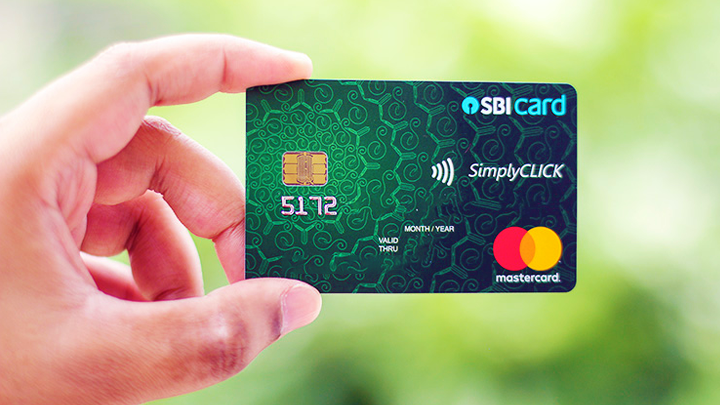
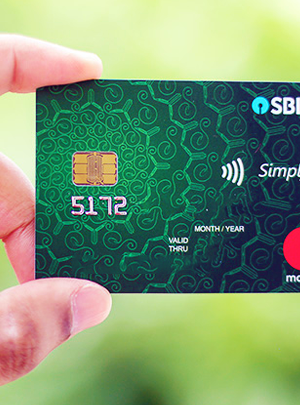
SBI Credit Card: Application Status and Net Banking

Getting an SBI Card is easy these days, with an online application process that is simple and quick to execute. However, you may be wondering why you should get an SBI (State Bank of India) credit card in the first place. The answer is because SBI credit cards not only offer you the facility of ready payment options, they come with several advantages of use. Moreover, the types of credit cards you get under the SBI umbrella are ranging, depending on your individual spending style. If you are a shopper, for instance, the SBI Elite Credit Card would be a good choice.

About SBI Credit Card

The division of SBI Credit Cards was launched in 1988, in a merger with GE Capital. Now, SBI has its credit card division, holding a majority share with the Carlyle Group. The need for credit cards among Indians has increased ten-fold over the last decade, and in view of this, SBI aims to target users with a focus on offering value-added service standards and convenience with credit card use. There are now over 5 million SBI card users, and growing.

About SBI Credit Card Net Banking Services

Technology has reached all levels of financial functioning, from applying for a credit card to checking your balance online. If you have an SBI credit card, net banking services streamline how you conduct card-related tasks, sourcing information at a click.  You can access the following information with a simple SBI credit card net banking account you can activate yourself:

  • Find out about billed and unbilled transactions
  • Know your total limit of credit
  • Know due dates for payments
  • View statements of SBI credit cards
  • Know information about your reward points

In case you wish to avail of services, you may through net banking too:

  • You can create/change your credit card PIN
  • You may register or alter registration status for autopay facilities
  • You may block/hotlist your card
  • You may request bill statements on email
  • You can apply for EMIs/loans

About Status of SBI Credit Card

As soon as you apply for an SBI credit card, either online or offline, you get an application number, important to check the status of SBI credit card. Here are steps to check your card status online:

  1. Go to https://www.sbicard.com. Click on the tab, ‘Credit Cards’. Scroll down.
  2. You’ll come across ‘Track Application’. You will get a choice – either track your application or retrieve it.
  3. With your application number, you can ‘track application’, and if you don’t have it, you can ‘retrieve application’ (with your PAN number and birthdate).
  4. Once you enter details and click, you will get the status of the application.

Alternatively, you may call the SBI toll free number for application status at 18601801290

Final Lines

There is no doubt you’ll experience tantamount advantages with an SBI credit card. With cards to suit your own purchase patterns and online facilities for smooth use, you get convenience while enjoying your card. Travel to Finserv MARKETS where you get loads of information on this.

read more
Credit

What if I just need $150 to tide me over till payday?

There are so many people struggling with their finances every day. It can sometimes feel like you have nowhere to turn at your darkest hour. In some cases, the weight of pressure and expectation can be for what in reality is quite a small figure to worry about, but for you, at this time, it makes all the difference. It could be that you only need $150 to see you through the next week to ten days, until your pay-check is in your hand. In these situations, where you might not have the help of friends, family or you might not feel comfortable asking your employer for a cash advance, a fast payday loan could provide you with everything that you need to get through the next few days. As long as you know for sure that you can afford to pay it back when the time comes, a payday loan could be the perfect answer to your current problems.

On average, most payday loans are taken out between $150 and $300. There are so many people who take advantage of this short-term credit service, as it is an easy and efficient way to help cover the cost of essentials until payday, to pay a bill that is unexpected and to bridge the gap when you are faced with unexpected costs or higher costs than you were expecting for an essential service or product.

There are a few different options open to you if you need some small amount of cash to see you through and make sure you are covered for essentials until your next payday.

Borrow money

The first thing to do is to think about your current situation with friends and close family members. Is there any person that you know that you feel comfortable talking to about your predicament? It is important that even if you feel incredibly stressed and panicked about your financial situation, that there is someone you can talk to openly and honestly. If that person can lend you money, great, but even if they can’t they might be able to offer a sympathetic ear to listen to your problems and ease the burden somewhat.

Credit Card

If you have a credit card or you are thinking about applying for a credit card, this might give you the option to spend on essentials without worrying too much about the pressure of a certain date to pay back the bill in total. It is always good practice to pay off your credit card each month, and it helps to build your credit score too. Just be careful that it doesn’t quickly descend into a cycle of credit card debt.

Overdraft

If you have access to an overdraft facility with your bank, it could be that taking the $150 that you need out of there is more cost efficient than any other option. Check the interest rates and the fee you’ll be charged for using the overdraft in the first place, in some cases it costs more to use an overdraft than it does a payday loan.

If none of these options are open to you, or seem to cost prohibitive, a fast payday loan service could be the answer you are looking for. It helps you out with a one-off payment, that you pay back within a month. No harm to your long-term finances.

read more
Credit

Advantages of using a credit card

Credit cards have not only revolutionized consumer spending habits but have also changed the face of business. In today’s economy, credit cards are proving advantageous in household, business and global activities. It is proven that a credit card sg is safer than carrying cash. You are unlikely to recover stolen or lost cash but if credit card is lost and / or used for fraudulent transactions, security process of banks can protect.

With credit card sg you can build and enhance your credit rating and likely to earn rewards points when you spend. Not only you save money but you get emergency line of credit which can be a financial safety net to cover any unexpected costs that arise in emergency. The students’ e–vibes credit card with credit limit can be of great use for students.

read more
Credit

4 types of credit cards and how to make the best use of them

Credit cards, definitely, are there to help you with unexpected, heavy expenses and help you pay back the money later (within the grace period) without any extra charges. Credit cards are for the convenience of users. If you want them for your easy life then icash.ca can give you a lot of options with minimal documentation.

But this convenience turns into a challenge when you fail to pay back on time and could make you pay back to bank more than what you spent. The high interest charged by banks or your other expenses can make you fall in debt and probably you will curse yourself.

  • Secured credit card: If you don’t have a credit history or in case if you have bad/low credit score, then these cards can help you to up the credit score. The banks want a security deposit equaling the credit amount you need. This ensures that even if you fail to pay back on time, your credit will be paid off ultimately. These cards are best for limited credit, but still, you have to pay a monthly processing fee and repay the amount on a monthly basis.
  • Balance transfer credit cards: These cards provide the option of paying off the large debt amount in a cost-effective way. Its low introductory rate for transferring the balance of one card to another helps the user in paying off large credit sum. The smartest way to use these cards is to pay back the past due amount of credit before the expiry date of the promotional period. The introductory rate is generally offered for a certain period of time and that period is known as a promotional period. So you better make a wise and smart use of that by paying your due credit card amount.
  • Rewards credit cards: Accumulating points on every purchase and then redeeming these points for cash back offers or any other cash rewards like discounts on merchandise, hotel or traveling etc would seem very appealing to customers. This appeal can turn into a sour experience if the card has high-interest charges, high annual fee or complicated redeeming policies. So it is always better to look for the areas of use before applying for these cards. It could be expensive and the redeeming benefit could be shadowed by high charges at the end. The smartest way to use these cards would be on monthly groceries and other regular utilities.
  • Standard credit cards: These cards do not offer any incentives or rewards points, but are the most basic version of credit cards. It offers the user to use a specific credit amount decided by the lender, which keeps updating or revolving. These cards help the user to manage the unexpected heavy expense and then pay off in small amounts later on. The all-time wise decision would be to use credit cards only for your unexpected expenses and not using them for frequent purchases which ultimately lend you into a debt crisis.
read more
Credit

Cleaning Your Credit Management Strategy

It had not been that a long time ago that Springbreak meant a vacation to warmer climes in which the sun could warm the face and you can get recharged for finals approaching inside a couple several weeks. Situations are quite different now and also the only break you’re most likely getting comes from the routine of standard weekend chores to help make the big push to obtain the winter debris outside cleared up, and also the closets washed.

But there another things inside a existence that require your attention along with a little beautifying too.

Just when was the final time you checked your credit score and score? Everyone should check their credit history at least one time annually to make sure that the data inside it is accurate and current. Somebody has most likely said that they don’t believe that checking your credit score is really advisable because every inquiry tends to reduce your credit rating. That may be true when the inquiry were from a loan provider with whom you’d requested credit, but it’s certainly not the case whenever you request your personal credit history. This really is known as a “soft inquiry” and also the credit agencies be aware of difference.

When you are your credit score you are able to start correcting any errors which may be onto it but you may also utilize it like a credit management tool to find out if you will find any particular debt payments or areas which are hurting your credit rating. Having to pay all of your bills promptly is most likely the best factor that you can do to keep a favorable credit record, or if you haven’t been so diligent previously to place that history behind you.

Overdue payments may have a major negative effect on your credit rating. A payment which goes thirty days late that’s reported towards the credit agencies can often mean the main difference between getting tied to a higher rate on the charge card or personal bank loan, or perhaps getting switched lower entirely when the loan provider has strict credit needs, an growing trend in the current tight credit atmosphere.

One mistake people generally make whether they have some extra cash to tackle their junk debt load is to repay a personal debt or perhaps a charge card and shut the account. Closing a free account may have a short-term negative impact on your credit rating even though you have completely compensated from the debt as well as on time. Should there be no annual charges involved you probably are the best off simply to let it rest open and unused.

Pick a debt payments strategy. It always helps make the most sense to knock lower our prime rate of interest, high fee accounts first. If you’re able to get these financial obligations out-of-the-way first then you will convey more cash open to knock lower the main amount alternatively accounts as opposed to just losing it to interest and charges which, regardless of how much you have to pay, do not have effect on the quantity of the debt.

Another facet of managing your credit is to keep balances low overall. Credit agencies use something known as the loan utilization rate like a element in your credit rating calculation. Your utilization rates are the entire from the balances on your credit cards measured from the total borrowing limit on your credit cards. For instance, in case your total charge card limit is $10,000 and you’ve got $2,500 owed your credit utilization rates are 25%. The nation’s average is all about 22% and you need to stay below that if you’re able to. Warning flags increase whenever your credit utilization rate rises because prospective lenders think that your requirement for funds are running in front of what you can do to create it.

read more
Credit

Three Best Tips about how to Improve Credit Rating

A majority of individuals are understandably confused with regards to credit rating and credit scores. Essentially, credit rating is simply just past all of the purchases and payments an individual has made. This recorded history may be the first factor that charge card companies search for when they’re thinking about applications. If an individual comes with an excellent score, he’s frequently perceived as somebody who can manage his finances well, therefore, he’ll be capable of get charge cards.

Good management techniques include making making payments in time, how much money owned or even the debit to credit ratio and the size of the loan history. These major factors will come up when you’re trying to acquire a loan, rent or purchase a house or make an application for charge cards. So how will you ensure that you can to construct or maintain a great score? Think about these tips:

Pay Promptly

Having to pay promptly will take into account roughly 35% of your credit rating. If you wish to maintain or develop a better credit rating, then you definitely must try and pay balance prior to the payment dates. How will you make sure that you pays promptly? Perform the following:

If you’re having to pay your debts via mail, pay it ahead of time, preferably within about a week before the deadline.

Think about making online payments

Many charge card companies allow automatic payment of credit bills free of charge

You may also request to maneuver the payment dates on days which are suited to your way of life

Join an e-mail alert which will help remind you once the next payment deadline expires

Don’t Exceed Your Borrowing Limit

The overall guideline is, the minus the total borrowing limit you utilize, the greater it’s for your debit to credit ratio. It’s suggested that you simply just use about 30% of the available credit in your charge cards.

Conserve A Lengthy Credit Rating

What most people don’t know is the fact that a lengthy credit rating can take into account nearly 15% of the credit ratings! Because of this, keep all of your old card account active making periodic purchases in it. By doing this, you are able to maintain a lot of total available credit. Consequently, this have a positive effect on your credit rating.

read more
Credit

How you can Read Your Charge Card Credit History

Just when was the final time you read your credit score? Made it happen make you just a little confused? Your charge card credit history contains robust information, but it’s not friendly towards the average consumer. Even though many people concentrate on their FICO score since her finest effect on remarkable ability to secure credit, developing the opportunity to understand your credit history thoroughly can help you become your own advocate and financial custodian throughout your existence.

Let us begin with the basics: the constituents of the report. You should interact with what matters and why. What’s contained in your charge card credit history? The solutions to four important questions:

1) how responsibly have you ever handled credit previously?

2) Just how much are you currently in financial trouble to banking institutions?

3) How often have you ever requested credit?

4) The amount of your present credit is being used?

The logic is straightforward: if you’ve been irresponsible, or happen to be highly in financial trouble, your FICO score is going to be low. This relative score signifies to a person thinking about lending you cash how dangerous it might be to give loan to somebody who has been as responsible (or irresponsible) while you.

Next: coping with errors. Companies get some things wrong, and the most crucial need to understand your credit score would be to make certain it’s an accurate reflection of truth. Possibly an unauthorized party asked regarding your credit. Possibly somebody intruded upon your identity and opened up a credit account which was not yours. Disputes might be sent straight to the reporting agencies but ought to be adopted using the institutions offering the companies using their data. The more serious your credit, the greater you’ll pay for all kinds of financing, so mistakes made that aren’t inside your faro means money from your pocket.

The inevitable: coping with realities. Should you made some bad decisions previously, even if you’re more responsible now, your charge card credit history may show a brief history that’s under stellar. Regrettably, smudges in your records will stay in your report for any full seven years, and also the only factor which get you to a higher score ‘s time.

Actions: how you can help make your score better and just what to avoid to really make it worse. Ironically, insufficient credit can also be viewed as unfavorable. Anyone who has not used at all credit can be regarded as dangerous since it is unknown whether the customer may have good habits around having to pay the cash back. To be able to strengthen your charge card credit history for those who have never lent, establish your credit by beginning small having a simple charge card, charging a couple of products every month, and quickly having to pay it well. When it comes to not making your credit worse if it’s already low, avoid trying to get new charge cards. Potential lenders will view you as cash poor and eager for funds should you keep attempting to secure new lines.

read more