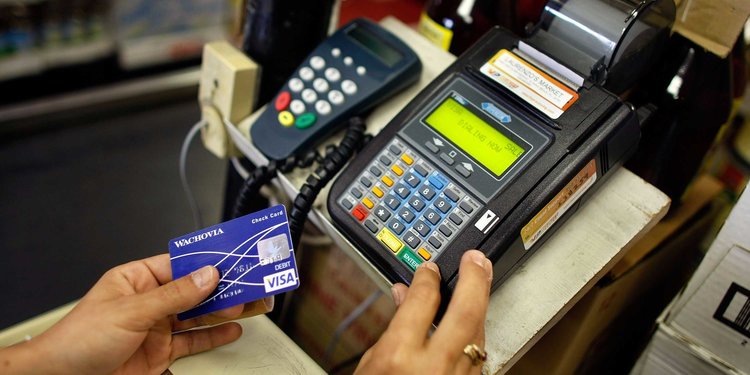

The global financial system has historically relied on a narrow, centralized framework for evaluating consumer creditworthiness. For decades, traditional credit scoring models have used a rigid formula derived almost exclusively from legacy banking history, such as credit card utilization, outstanding auto loans, and mortgage repayment records. While this infrastructure serves established consumers well, it creates a systemic barrier for billions of individuals globally who lack formal banking relationships.
The consequences of this credit invisibility are economically stifling. Without a traditional credit profile, thin-file consumers, low-income earners, gig-economy workers, and newly arrived immigrants are routinely locked out of affordable mainstream financial products. To bridge this vast economic divide, financial technology institutions, progressive commercial banks, and global regulatory bodies are turning to alternative credit data. This fundamental shift in underwriting methodology leverages non-traditional digital footprint assets to build granular, accurate risk profiles, fundamentally altering fair lending practices and accelerating financial inclusion on a global scale.
Understanding the Architecture of Alternative Credit Data
Alternative credit data refers to any financial or behavioral information used to evaluate an applicant’s creditworthiness that falls outside the repository of traditional credit reporting bureaus. Rather than analyzing past borrowing behavior, alternative underwriting examines a consumer’s daily operational and financial transactions.
Everyday Fiscal Consistency Data
The most immediate and predictive form of alternative data is the tracking of recurring household liabilities. This category includes:
-
Rental Repayment History: Consistent monthly rent payments represent a consumer’s largest recurring financial obligation, yet this data has historically been omitted from traditional scores.
-
Utility and Telecommunications Transactions: Regular, on-time payments for electricity, water, gas, and mobile phone subscriptions serve as an excellent proxy for underlying financial discipline.
-
Cash Flow and Deposit Trends: Utilizing Open Banking protocols to analyze direct bank account data, including income stability, average daily balances, and savings patterns, rather than relying solely on debt repayment history.
Behavioral and Digital Footprint Metrics
With the rise of smartphone penetration globally, particularly in emerging economies, secondary layers of alternative data have emerged. Mobile wallet transaction velocities, e-commerce purchasing habits, and gig-platform remittance histories provide real-time economic data points. When synthesized by advanced machine learning models, these behavioral footprints reveal patterns of stability and risk aversion that traditional bureaus are structurally blind to.
The Global Scale of Financial Invisibility
The push for alternative credit reporting is driven by a stark macroeconomic reality. According to global development data, roughly one point four billion adults worldwide remain unbanked, possessing no formal relationship with a traditional financial institution. In the United States alone, an estimated forty-five million individuals are classified as credit invisible or thin-file, meaning their existing bureau reports lack sufficient historical depth to generate a valid credit score.
This structural omission forces credit-invisible populations into predatory alternative financial markets. Lacking access to prime bank loans or commercial credit lines, these consumersdefault to high-interest payday lenders, title pawn operations, and informal check-cashing services that drain generational wealth. Alternative credit data breaks this cycle by providing an entry point into the regulated financial ecosystem, allowing lenders to underwrite risk accurately based on merit rather than structural privilege.
Reshaping Fair Lending Compliance and Algorithmic Bias
Integrating non-traditional data sets into underwriting algorithms requires strict adherence to fair lending principles, particularly regulations such as the Equal Credit Opportunity Act in the United States. While alternative data expands equity, it introduces a parallel challenge: ensuring that automated machine learning systems do not inadvertently codify or amplify historical societal biases.
Eliminating Proxies for Protected Characteristics
A critical mandate for fair alternative underwriting is the absolute scrubbing of proxy variables. Advanced machine learning networks can easily identify data combinations that serve as direct proxies for protected characteristics such as race, gender, national origin, or neighborhood demographics. For example, utilizing zip code data or specific social media connectivity networks can inadvertently lead to disparate impact claims, where an algorithm systematically discriminates against a protected class despite lacking explicit demographic inputs.
Prioritizing Permissible and Causal Data Sets
To maintain fair lending compliance, modern fintech architects focus heavily on data sets that possess a direct causal relationship with financial capacity. Regulators heavily favor the use of explicit cash-flow data, asset accumulation trends, and verified bill payment records over abstract behavioral metrics like smartphone battery charging habits or app download histories. Data that shows a consumer actively managing cash reserves provides a legally defensible foundation for risk assessment that directly satisfies regulatory transparency requirements.
Impact Analysis Across Global Jurisdictions
The deployment and regulatory acceptance of alternative credit intelligence vary substantially across different international regions, driven by localized infrastructure and privacy compliance laws.
The Open Banking Movement in Europe and North America
In the European Union and the United Kingdom, the implementation of open banking frameworks has institutionalized the usage of alternative data. These regulations mandate that traditional banks must allow secure, consumer-permissioned third-party access to raw transactional account data via standardized interfaces. This infrastructure allows alternative lenders to analyze real-time income streams and consumption habits directly, shifting the underwriting focus from a legacy score to immediate, verifiable cash-flow metrics.
Mobile Money Ecosystems in Emerging Markets
Across East Africa and parts of Southeast Asia, the absence of legacy banking infrastructure allowed regions to leapfrog traditional credit systems entirely. Mobile money platforms ingest vast amounts of alternative micro-transaction data, including peer-to-peer transfers, solar kit repayments, and airtime purchases. By applying machine learning models to these localized mobile footprints, digital lenders can issue micro-loans to smallholder farmers and marketplace merchants within minutes, driving deep grassroots financial inclusion without ever utilizing a traditional credit report.
Best Practices for Enterprise Implementation and Data Security
For commercial financial institutions looking to integrate alternative credit infrastructure into their existing underwriting desks, certain data safety and governance protocols must be maintained.
-
Enforce Explicit Consumer Opt-In Consent: Alternative data harvesting must never occur covertly. Lenders must establish transparent, consumer-permissioned workflows where the applicant explicitly grants access to their utility, rental, or bank account portals, ensuring full compliance with frameworks like the General Data Protection Regulation.
-
Maintain Granular Explanability Audits: Financial institutions must utilize models where every automated credit decision can be deconstructed and explained to regulatory auditors. Black-box algorithms that cannot explain why an applicant was denied credit are non-compliant under modern fair lending laws.
-
Implement High-Tier Data Security Vectors: Alternative data sets ingest highly intimate consumer life details, from monthly rent locations to real-time utility consumption patterns. This information must be protected using end-to-end encryption protocols, robust data minimization strategies, and strict access controls to prevent catastrophic corporate identity theft breaches.
Frequently Asked Questions
Does the use of alternative credit data automatically guarantee a higher credit score for thin-file consumers?
Alternative data does not guarantee an immediate score elevation, but it guarantees visibility. For consumers who maintain consistent, responsible habits such as paying rent or utility bills on time, the inclusion of alternative data sets yields positive underwriting outcomes. However, if an individual demonstrates irregular income, frequent utility service interruptions, or consistent account overdrafts, alternative data will accurately reflect that elevated risk profile, allowing lenders to price credit options accordingly.
How do credit reporting agencies prevent the double-counting of data when alternative metrics are blended with traditional credit files?
Modern credit reporting bureaus use sophisticated data deduplication algorithms to manage blended files. When alternative data points like rental history are integrated alongside a traditional credit line, the underwriting system separates cash-flow analysis from debt-to-income calculations. The algorithm treats utility and rent assets as operational cash-flow indicators rather than active revolving credit lines, avoiding distortion of the core debt utilization ratios.
What is the specific difference between alternative credit data and alternative credit scoring?
Alternative credit data refers to the raw, non-traditional information inputs harvested from consumer permissioned accounts, such as bank statement transactions, rental receipts, and utility bills. Alternative credit scoring is the mathematical modeling process that takes those raw inputs, processes them through specialized machine learning algorithms, and outputs a predictive, numerical risk value used by financial institutions to make automated lending decisions.
Can alternative data scoring models be utilized for underwriting high-value commercial mortgages and business lines?
Yes, alternative data is increasingly utilized to underwrite small-to-medium enterprise commercial lines and commercial mortgages. For micro-businesses and independent contractors who lack formal audited corporate financial statements, underwriters analyze alternative metrics like e-commerce merchant processor volumes, real-time supply chain invoice fulfillment rates, and corporate bank account cash flow velocities to assess business viability accurately.
How do data privacy laws handle the erasure of alternative credit data if a consumer revokes consent?
Under modern data privacy frameworks, if a consumer explicitly revokes permission for a lender to access their alternative data portals, the active data stream must be severed immediately. However, the historic transaction data utilized to originally underwrite and issue an active, ongoing loan must legally be retained by the financial institution for a contractually specified window to satisfy statutory anti-money laundering regulations and financial audit trail mandates.
Why have traditional credit scores been slow to integrate rental payment histories historically?
Traditional bureaus historically avoided rental data due to severe fragmentation within the real estate market. Unlike the centralized banking sector, millions of independent landlords manage properties manually without standardized reporting interfaces. The emergence of specialized proptech property management platforms and secure open banking APIs has finally resolved this systemic logistics bottleneck, allowing automated, verified rental data tracking at scale.